Wizard SVG, DXF, EPS, JPG, PNG: A Complete Guide for Designers and Creators
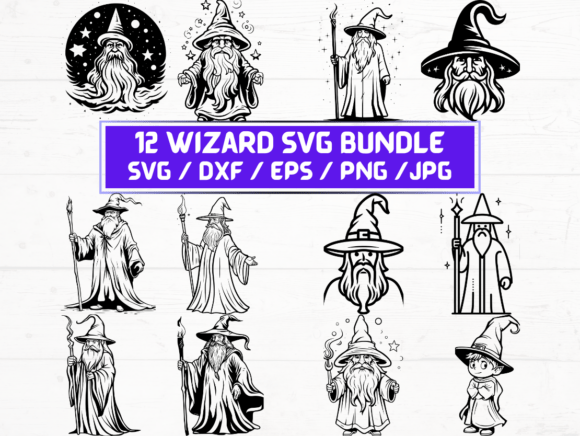
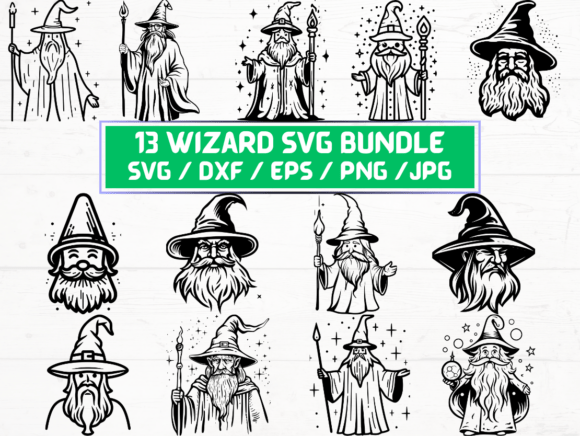
Whether you're a beginner or an experienced designer, having access to high-quality vector and raster files is essential. The Wizard SVG, DXF, EPS, JPG, PNG package offers a versatile collection of digital assets that cater to various design needs. This downloadable bundle includes 13 files in each format—SVG, DXF, EPS, JPG, and PNG—packed into a single ZIP folder for instant access. But before you dive in, it's important to understand what these formats mean and how to use them effectively.
Understanding the File Formats
Each file format serves a unique purpose and has its own strengths. Let’s break them down:
- SVG (Scalable Vector Graphics): Ideal for logos, icons, and illustrations that need to scale without losing quality. It’s perfect for web use and digital projects.
- DXF (Drawing Exchange Format): Commonly used in CAD software, this format is great for technical drawings, blueprints, and 3D modeling.
- EPS (Encapsulated PostScript): A vector format often used in print media. It maintains high resolution and clarity even when scaled up.
- JPG (Joint Photographic Experts Group): Best for photographs and complex images with gradients and textures. However, it doesn't support transparency.
- PNG (Portable Network Graphics): Similar to JPG but supports transparency, making it ideal for graphics that need to be placed on different backgrounds.
Choosing the right format depends on your project's requirements. For example, if you're designing a logo that will be used both online and in print, using SVG and EPS together ensures flexibility and quality across platforms.
Common Mistakes When Using Wizard SVG, DXF, EPS, JPG, PNG
Many users make mistakes when selecting and using these files, which can lead to poor results. Here are some common pitfalls and how to avoid them:
Mistake 1: Not Checking Resolution and Quality
When downloading files like JPG and PNG, ensure they have a high resolution—typically 300 dpi for print and 72 dpi for web. Lower-resolution images can appear pixelated when printed or viewed on large screens.
Tip: Always verify the DPI setting before finalizing your design. If the file is labeled as 300 dpi, it should be suitable for print, but double-check the image size and scaling to maintain quality.
Mistake 2: Ignoring Transparency Settings
Files like PNG and SVG support transparency, which is crucial for overlays, website headers, and graphic elements that need to blend seamlessly with other content. However, JPG does not support transparency, so using it in such scenarios may lead to unexpected results.
Tip: If you need transparent backgrounds, always go with PNG or SVG instead of JPG. This will prevent white or colored backgrounds from appearing where they shouldn’t.
Mistake 3: Mixing File Types Inappropriately
Using the wrong file type for a specific application can cause compatibility issues. For instance, trying to edit an EPS file in a basic image editor might result in loss of vector data or formatting errors.
Tip: Use appropriate software for each file type. For SVG and EPS, consider Adobe Illustrator or Inkscape. For DXF, use CAD software like AutoCAD or LibreCAD. For JPG and PNG, most standard image editors like Photoshop or GIMP will work well.
What to Check Before Downloading Wizard SVG, DXF, EPS, JPG, PNG
Before purchasing or downloading the Wizard SVG, DXF, EPS, JPG, PNG package, take a moment to review the following details:
- File Count and Format: Confirm that the package includes all the necessary file types (SVG, DXF, EPS, JPG, PNG) and that there are 13 files in each format.
- Resolution and Quality: Ensure that the PNG and JPG files are at least 300 dpi for print-ready use.
- License and Usage Rights: Check the terms of use to confirm whether you can use the files for commercial purposes, personal projects, or both.
- Compatibility with Software: Make sure the file formats are compatible with your preferred design tools. If you’re using free software, verify that it supports the required formats.
By taking these steps, you can avoid potential headaches later on and ensure that your designs look professional and polished.
Practical Tips for Using Wizard SVG, DXF, EPS, JPG, PNG Files
Once you’ve downloaded the files, here are some practical tips to help you get the most out of them:
- Organize Your Files: Create a dedicated folder for each file type to keep your projects organized. This makes it easier to locate and use the right file when needed.
- Test Before Finalizing: Always test your designs on different devices and backgrounds to ensure that transparency, color accuracy, and resolution meet your expectations.
- Backup Your Work: Keep backups of your edited files to avoid losing progress due to software crashes or accidental deletions.
- Stay Updated: Regularly check for updates or new versions of the files, especially if you’re using them in ongoing projects.
These small habits can save you time and prevent costly mistakes in the long run.
The Wizard SVG, DXF, EPS, JPG, PNG package is a valuable resource for anyone involved in design, marketing, or creative work. By understanding the strengths and limitations of each file format, you can make informed decisions that enhance your workflow and deliver better results. Always take the time to review your choices and follow best practices to maximize the value of your digital assets.