Trophy SVG, DXF, EPS, JPG, PNG: A Complete Guide for Designers and Creators
Whether you're designing promotional materials, creating custom merchandise, or working on digital illustrations, having access to high-quality Trophy SVG, DXF, EPS, JPG, and PNG files can be a game-changer. These file formats offer versatility, precision, and compatibility across various design tools and printing processes. But with so many options available, it's easy to make mistakes that could affect the final outcome of your project. In this guide, we’ll explore what these files are, why they matter, and how to use them effectively without common pitfalls.
Understanding Trophy SVG, DXF, EPS, JPG, and PNG Files
Trophy SVG, DXF, EPS, JPG, and PNG files are digital assets that represent trophy designs in different formats, each with unique advantages. Understanding these formats helps you choose the right one for your specific needs.
- SVG (Scalable Vector Graphics): Ideal for web-based projects, logos, and illustrations that need to scale without losing quality.
- DXF (Drawing Exchange Format): Commonly used in CAD software for precise technical drawings and laser cutting.
- EPS (Encapsulated PostScript): A vector format suitable for high-resolution printing and professional publishing.
- JPG (Joint Photographic Experts Group): Best for photographs and images with complex color gradients, though it lacks transparency support.
- PNG (Portable Network Graphics): Offers lossless compression and supports transparency, making it great for web graphics and digital art.
When you purchase Trophy SVG, DXF, EPS, JPG, and PNG files, you’re getting a comprehensive set of resources that can be used in both digital and print environments. This makes them ideal for designers, marketers, educators, and entrepreneurs who need flexibility in their creative work.
Common Mistakes When Using Trophy Files
Despite the benefits of these file formats, several common mistakes can lead to poor results. Here’s what to watch out for:
Mistake 1: Not Checking File Compatibility
Many users download Trophy SVG, DXF, EPS, JPG, and PNG files without verifying if their design software supports the chosen format. For example, using an EPS file in a basic graphic editor might result in unexpected formatting issues. Always check your software’s supported formats before downloading any files.
Better Approach: Research which programs you'll be using and ensure the file types match. Most design tools like Adobe Illustrator, CorelDRAW, and Inkscape support multiple formats, but it's always good to confirm.
Mistake 2: Ignoring Resolution Requirements
While the Trophy files provided are 300 dpi with transparent backgrounds, some users may not consider the resolution needed for their specific project. Lower resolution files can appear pixelated when printed at larger sizes, especially with JPGs and PNGs.
Better Approach: Always review the intended use of the image. If you're planning to print the trophy design on a large banner, make sure the file is high enough resolution to maintain clarity. Vector formats like SVG and EPS are generally better for scalable print applications.
Mistake 3: Overlooking Transparency Settings
PNG files come with transparent backgrounds, which are perfect for overlays or digital use. However, if you're using a PNG in a print project, you may need to adjust the background color or add a white backdrop to avoid unwanted transparency effects.
Better Approach: Preview your design on the intended medium before finalizing. If you're unsure about how transparency will look in print, consider converting the PNG to a JPG with a solid background.
What to Check Before Downloading Trophy Files
Before purchasing Trophy SVG, DXF, EPS, JPG, and PNG files, there are a few key factors to consider:
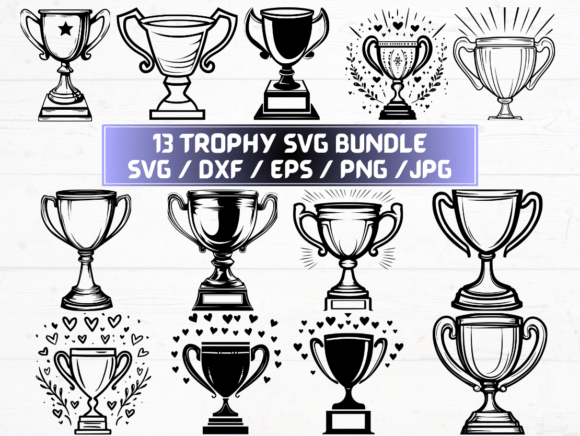
- File Count and Variety: Ensure the package includes all the necessary file types for your project. The listing provides 13 files in each format, offering ample options for different uses.
- License Terms: Confirm whether the files are for personal or commercial use. Some digital products restrict usage to non-commercial purposes only.
- Download Process: Look for instant download options that provide a ZIP folder containing all the files. This ensures quick access and organization of your resources.
- Support and Updates: Choose providers that offer customer support and updates, especially if you plan to use the files over an extended period.
Maximizing the Value of Trophy Files
To get the most out of Trophy SVG, DXF, EPS, JPG, and PNG files, think creatively about how they can be applied. Whether you're designing a website, creating marketing collateral, or producing merchandise, these files can help bring your vision to life efficiently.
For instance, SVG files can be embedded directly into websites or mobile apps, while DXF files are useful for manufacturing trophies through laser cutting or engraving. EPS files are excellent for high-quality print jobs, and PNG files with transparent backgrounds are ideal for digital banners or social media posts.
By understanding the strengths of each file type, you can streamline your workflow and produce professional-quality results without unnecessary delays or errors.
In summary, Trophy SVG, DXF, EPS, JPG, and PNG files are powerful tools for creators and professionals alike. By avoiding common mistakes and using these files wisely, you can enhance your projects and achieve better outcomes across various platforms and mediums.