Tiger SVG, DXF, EPS, JPG, PNG: Strategic Use for Design and Branding
When it comes to digital design, having access to high-quality vector and raster files is essential. Tiger SVG, DXF, EPS, JPG, and PNG files offer a versatile toolkit for creators, marketers, and professionals looking to integrate a powerful symbol into their projects. These files are not just assets—they are strategic tools that can enhance branding, streamline operations, and improve communication across various platforms.
Understanding the Value of Tiger SVG, DXF, EPS, JPG, and PNG Files
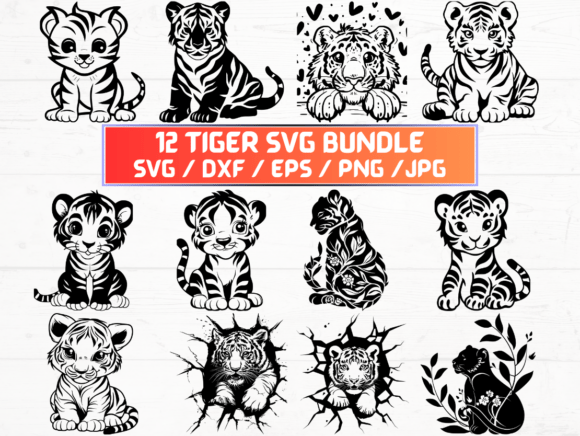
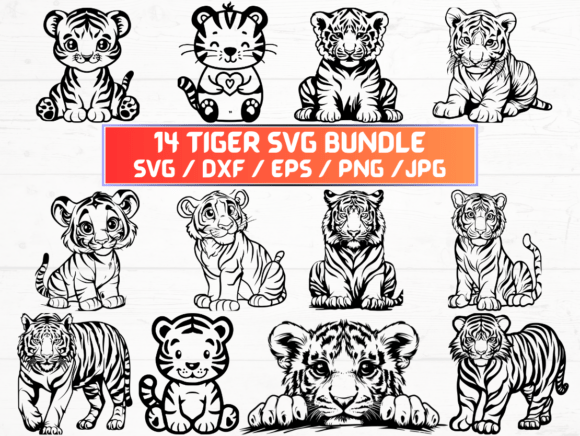
The Tiger SVG, DXF, EPS, JPG, and PNG files provided in this listing are designed for immediate use. The package includes 14 files in each format—SVG, PNG, DXF, JPG, and EPS—all contained within a ZIP folder for easy download. This ensures you have the flexibility to work with different software and platforms, whether you're designing for print, digital media, or CAD applications.
Each file type serves a unique purpose. SVG files are ideal for scalable graphics that maintain quality at any size, making them perfect for web and mobile use. PNG files offer transparency and high resolution, which is great for logos and illustrations. DXF files are commonly used in engineering and architectural design, while EPS files provide high-quality vector graphics suitable for professional printing. JPG files are widely used for photographs and images that don’t require transparency.
Strategic Use Cases for Tiger SVG, DXF, EPS, JPG, and PNG Files
Knowing when and how to use these files can make a significant difference in your creative and business outcomes. Here are some practical scenarios where Tiger SVG, DXF, EPS, JPG, and PNG files can be strategically applied:
- Branding and Marketing: Incorporating a tiger graphic into your brand identity can convey strength, agility, and confidence. Whether it's on a logo, website banner, or social media post, the Tiger SVG and PNG files allow for consistent visual representation across all touchpoints.
- Product Packaging: High-resolution JPG and PNG files ensure that your product packaging looks professional and eye-catching. These formats are ideal for printing on labels, boxes, and other physical materials.
- Interior Design and Architecture: DXF files are particularly useful in CAD software, allowing designers to integrate the tiger motif into blueprints, floor plans, or interior design elements with precision.
- Print Media: EPS files are often preferred in print production due to their ability to maintain quality at large sizes. They are perfect for posters, banners, and other large-format prints.
- Digital Content Creation: SVG and PNG files are well-suited for digital content such as blog headers, email newsletters, and e-books. Their scalability ensures that your visuals remain sharp and clear on any device.
Planning and Implementation Tips for Tiger SVG, DXF, EPS, JPG, and PNG Files
To maximize the value of these files, it’s important to approach their use with intention. Here are some planning tips to help you get started:
- Define Your Purpose: Before using any of the Tiger SVG, DXF, EPS, JPG, or PNG files, clarify what you want to achieve. Are you building a brand, creating marketing materials, or designing for a specific project? Knowing your goal will guide your choices.
- Choose the Right Format: Each file format has its strengths. Consider the platform, medium, and end-use when selecting between SVG, PNG, DXF, JPG, or EPS. For example, if you're designing for a website, SVG and PNG are typically the best options.
- Ensure Consistency: Maintain consistency in color, style, and application across all your materials. This helps reinforce your brand identity and creates a cohesive visual experience for your audience.
- Test Across Devices and Platforms: Check how your designs look on different screens, browsers, and printers. This ensures that your Tiger graphics appear as intended in every context.
- Stay Updated with Trends: Keep an eye on design trends and industry standards. While the tiger image is timeless, the way it's used can evolve with new technologies and aesthetics.
Risks and Considerations When Using Tiger SVG, DXF, EPS, JPG, and PNG Files
While these files offer numerous benefits, there are also risks to consider if they are used without proper planning or understanding. One of the main risks is misalignment with your brand identity or message. A tiger graphic, for instance, might not be appropriate for every context or audience. It could convey aggression or dominance in ways that may not align with your brand values.
Another risk is overuse. If the tiger image is used too frequently or inappropriately, it can lose its impact and become generic. It’s important to balance visibility with relevance, ensuring that the graphic supports your message rather than overshadowing it.
Additionally, using low-quality or incorrectly formatted files can lead to technical issues, such as pixelation, poor scaling, or compatibility problems. Always verify that you’re using the correct file types for your intended use and that they meet the required specifications.
How to Use Tiger SVG, DXF, EPS, JPG, and PNG Files Intentionally
Intentional use of Tiger SVG, DXF, EPS, JPG, and PNG files requires thoughtful consideration of your goals, audience, and medium. Here are some strategies to help you use these files effectively:
- Align with Brand Values: Ensure that the tiger graphic resonates with your brand’s core values and messaging. If your brand is about innovation and speed, the tiger can be a powerful symbol to reinforce that identity.
- Use in Context: Place the tiger graphic in contexts where it adds value. For example, it could be used in a sports-related campaign, a leadership training program, or a fitness brand’s marketing materials.
- Experiment with Style: Don’t be afraid to experiment with different styles and variations of the tiger graphic. This allows you to find the right look that fits your brand and appeals to your target audience.
- Track Performance: Monitor how your designs perform in terms of engagement, conversion rates, and brand recognition. This data can help you refine your approach and make more informed decisions in the future.
By using Tiger SVG, DXF, EPS, JPG, and PNG files with purpose and strategy, you can elevate your creative projects, strengthen your brand, and achieve better results. Whether you're a marketer, designer, or entrepreneur, these files offer a valuable resource that can support your long-term goals and success.