Fish SVG, DXF, EPS, JPG, and PNG: A Versatile Digital Asset for Designers and Creators
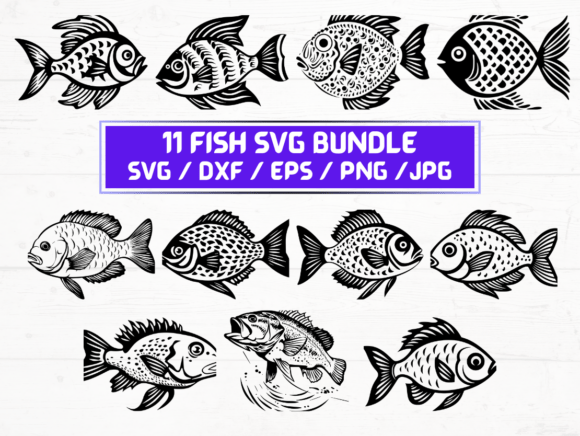
For designers, marketers, and creators, having access to high-quality digital assets is essential. Fish SVG, DXF, EPS, JPG, and PNG files represent a valuable resource that can be used across a wide range of applications—from graphic design to print production. This collection includes 5 file formats in a ZIP folder, offering instant download with 11 versions of each format. Whether you're working on branding materials, website graphics, or crafting custom illustrations, these files provide flexibility and precision.
Understanding the File Formats
The Fish SVG, DXF, EPS, JPG, and PNG files are designed to meet different needs depending on the platform or medium where they will be used. Understanding what each format offers helps ensure you choose the right one for your project.
SVG (Scalable Vector Graphics) is ideal for web-based projects. It allows for crisp, scalable images that maintain quality at any size. This makes it perfect for logos, icons, and illustrations that need to be responsive on different screen sizes.
DXF (Drawing Exchange Format) is commonly used in CAD software. It's particularly useful for engineers, architects, and anyone involved in technical drawing. The DXF format ensures accurate representation of vector data, making it suitable for manufacturing and prototyping.
EPS (Encapsulated PostScript) is another vector format, often preferred for print media. It maintains high resolution and detail, which is crucial for professional printing. EPS files are widely supported by design software such as Adobe Illustrator and CorelDRAW.
JPG (Joint Photographic Experts Group) is a raster image format known for its high compression and quality. It's well-suited for photographs and complex images where detail is important. However, it does not support transparency, so it may not be the best choice for layered designs.
PNG (Portable Network Graphics) is similar to JPG but supports transparency, making it ideal for web graphics that require a transparent background. It also provides good quality while maintaining smaller file sizes compared to other raster formats.
Why Choose Fish SVG, DXF, EPS, JPG, and PNG?
The versatility of this package is one of its greatest strengths. With 11 files in each format, users have the freedom to choose based on their specific requirements. For instance, if you're designing a logo that will appear both online and in print, having SVG and EPS versions ensures consistency across all platforms.
The inclusion of PNG files with transparent backgrounds adds value for those creating digital content that requires overlays or integration into websites and apps. Meanwhile, DXF files open up opportunities for use in engineering and architectural contexts where precise measurements and scalability are critical.
Another benefit of this collection is its reliability. Each file format is produced with attention to detail, ensuring that the fish illustration remains consistent in quality and appearance regardless of the medium. This level of consistency is particularly important when working on branding or marketing materials that must maintain a cohesive visual identity.
Who Can Benefit from Fish SVG, DXF, EPS, JPG, and PNG?
This package is suitable for a wide range of professionals and hobbyists. Graphic designers can use these files to create high-quality visuals for clients, while marketers might find them useful for social media campaigns or promotional materials. Educators and publishers could incorporate these illustrations into textbooks, presentations, or educational resources.
Freelancers and small business owners who need to produce custom graphics quickly will appreciate the convenience of having multiple file formats available in one downloadable package. Similarly, serious hobbyists and DIY enthusiasts can use these files for personal projects, from home decor to custom crafts.
Entrepreneurs launching new products or brands can leverage these files to develop a strong visual presence without the need for custom illustration work. The ability to scale and adapt the fish illustration across various mediums makes it a practical asset for many creative endeavors.
Practical Use Cases and Real-World Applications
In real-world scenarios, the Fish SVG, DXF, EPS, JPG, and PNG files can be used in numerous ways. For example, a web designer might use the SVG version to create an animated header for a website, ensuring the image remains sharp on all devices. An architect could utilize the DXF file to integrate the illustration into a larger CAD model, providing a visual element that complements technical drawings.
A blogger looking to enhance their content with engaging visuals might prefer the PNG format with transparency for embedding into articles or blog posts. On the other hand, a print shop owner could rely on the EPS file to produce high-resolution prints that match the client's expectations.
One potential limitation is that the fish illustration is static. While it's suitable for most design applications, it may not be appropriate for projects requiring dynamic or interactive elements. However, for many use cases, this limitation is negligible given the flexibility and quality offered by the available file formats.
Final Thoughts
Fish SVG, DXF, EPS, JPG, and PNG offer a comprehensive solution for designers, creators, and professionals seeking reliable digital assets. With multiple file formats included in a single ZIP folder, this package provides the flexibility needed to adapt the fish illustration to a variety of projects and platforms.
Whether you're working on a branding campaign, a website redesign, or a technical illustration, these files can help streamline your workflow and deliver professional results. Their quality, consistency, and versatility make them a valuable addition to any creative toolkit. As with any digital asset, understanding the strengths and limitations of each format ensures that you can make the most of this resource in your specific context.