Shield SVG File: A Versatile Digital Asset for Designers and Creators
The Shield SVG File is a digital asset that has gained significant traction among professionals and hobbyists alike. As a scalable vector graphic, it offers a high degree of flexibility and quality, making it suitable for a wide range of applications. Whether you're designing logos, creating illustrations, or working on marketing materials, the Shield SVG File can be an invaluable resource. This article explores what makes this file format unique, its practical uses, and who might benefit most from incorporating it into their workflow.
Understanding the Shield SVG File Format
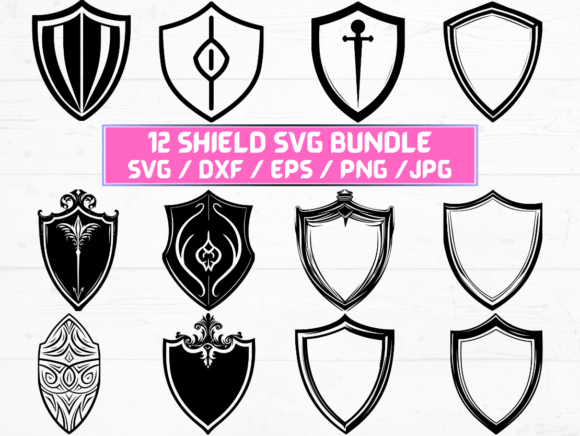
The Shield SVG File is part of a comprehensive digital product package that includes multiple file types such as SVG, PNG, DXF, JPG, and EPS. These formats are provided in a ZIP folder containing 12 files of each type, ensuring versatility across different design platforms and printing needs. The inclusion of transparent backgrounds in PNG and JPG files enhances usability for designers who require seamless integration with other elements in their projects.
SVG (Scalable Vector Graphics) is a widely supported format that maintains clarity at any size, which is particularly useful for logos and icons that need to be used both online and in print. The ability to scale without loss of quality makes SVG files ideal for responsive web design and high-resolution printing.
Key Characteristics and Practical Value
The Shield SVG File stands out due to its adaptability and consistency across various media. The transparent background option allows for easy overlaying on different color schemes or images, which is especially beneficial for marketers and advertisers looking to create visually cohesive campaigns.
With 300 dpi resolution, the PNG files ensure sharpness and clarity when printed, making them suitable for use in brochures, posters, and other physical promotional materials. The DXF files, commonly used in CAD software, offer precision for those involved in manufacturing or engineering projects that require exact measurements and specifications.
EPS files, known for their scalability and compatibility with both vector and bitmap graphics, provide another layer of flexibility. They are particularly useful for professional printing where high-quality output is essential.
Real-World Applications and User Scenarios
Professionals in various fields can leverage the Shield SVG File to streamline their creative processes. For instance, a small business owner might use the SVG file to create a logo that can be easily adapted for use on websites, social media profiles, and printed signage. The availability of multiple file formats ensures that the logo remains consistent across all platforms.
Freelance designers and illustrators may find the Shield SVG File particularly useful when working on client projects that require quick turnaround times. The ability to instantly download and access the files eliminates the need for waiting on custom designs, allowing for greater efficiency and responsiveness.
Educators and content creators can also benefit from this digital asset by incorporating it into presentations, educational materials, or blog posts. The transparent background feature enables seamless integration with other visual elements, enhancing the overall aesthetic appeal of the content.
Who Benefits Most from the Shield SVG File?
The Shield SVG File is well-suited for individuals and organizations that require a versatile and high-quality graphic asset. Marketers and advertisers will appreciate the ease of customization and the ability to maintain brand consistency across different mediums. Small business owners can use it to develop a strong visual identity that resonates with their target audience.
Designers and developers who work on cross-platform projects will find the multi-format support particularly advantageous. The availability of DXF files makes it possible to use the shield graphic in technical drawings or blueprints, while the EPS format ensures compatibility with professional printing equipment.
For hobbyists and serious enthusiasts, the Shield SVG File provides an opportunity to experiment with design concepts without the need for complex software or extensive graphic design skills. Its user-friendly nature and broad applicability make it accessible to a wide range of users.
Considerations and Limitations
While the Shield SVG File offers numerous benefits, there are certain considerations to keep in mind. As a digital product, it does not include any physical components, so users should be aware that they will receive only the downloadable files. This may be a limitation for those who prefer tangible assets or require additional support beyond the initial purchase.
Additionally, while the file's versatility is a strength, it may not be suitable for highly specialized design tasks that require intricate details or specific effects not included in the standard package. Users should assess their project requirements to determine if the Shield SVG File aligns with their needs.
Despite these limitations, the overall value of the Shield SVG File remains substantial, offering a cost-effective solution for those seeking a reliable and adaptable graphic asset.
Conclusion
The Shield SVG File represents a valuable addition to any designer’s toolkit. Its combination of high-quality formats, transparent backgrounds, and instant accessibility makes it a practical choice for professionals and hobbyists alike. By understanding its strengths and limitations, users can effectively integrate this digital asset into their workflows and achieve consistent, professional results across various platforms and mediums.