Cub SVG File: A Versatile Asset for Designers and Creators
The Cub SVG File is a digital asset that offers designers, creators, and professionals a high-quality, scalable vector graphic of a cube. This file format is widely used in graphic design, illustration, web development, and print media due to its flexibility and compatibility with various software tools. Whether you're designing logos, creating illustrations, or preparing assets for digital marketing, the Cub SVG File provides a clean, professional look that can be easily adapted to different projects.
Understanding the Cub SVG File Format
An SVG (Scalable Vector Graphics) file is an XML-based format that defines vector-based graphics. Unlike raster images such as PNG or JPG, SVG files maintain their quality at any size, making them ideal for both small icons and large banners. The Cub SVG File is no exception—it retains sharp edges and crisp details regardless of scaling, ensuring your designs look professional on any platform.
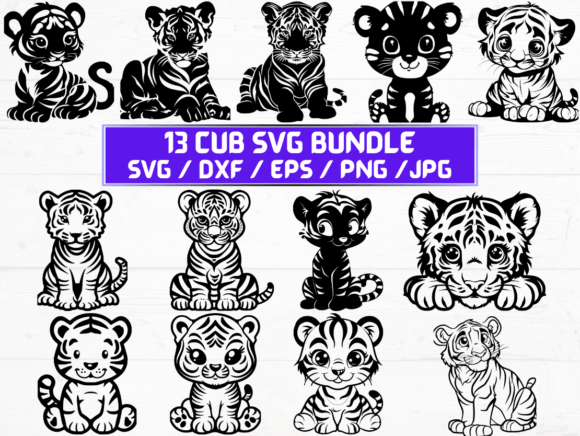
When you download the Cub SVG File, you receive a ZIP folder containing multiple formats, including SVG, PNG, DXF, EPS, and JPG. This variety allows you to use the cube graphic in a wide range of applications—from digital design to CNC cutting and laser engraving. Each file type serves a specific purpose, so it's important to understand which format best suits your needs.
Integrating the Cub SVG File into Your Workflow
The versatility of the Cub SVG File makes it a valuable addition to your creative toolkit. Here are several ways to integrate this asset into your workflow:
- Design Projects: Use the SVG file in graphic design software like Adobe Illustrator or Inkscape to create custom illustrations, logos, or UI elements.
- Web Development: Embed the SVG directly into HTML or CSS for responsive web design, ensuring your visuals remain sharp on all screen sizes.
- Print Media: Convert the SVG to PNG or JPG for use in print materials, while maintaining high resolution and clarity.
- Crafting and Manufacturing: Utilize the DXF and EPS files for CNC machines, 3D printers, or laser cutters to produce physical versions of the cube design.
By having access to multiple file types, you can seamlessly transition between digital and physical outputs, enhancing your creative possibilities.
Practical Implementation Tips
To make the most of the Cub SVG File, consider the following tips:
- Organize Your Files: Store each file type in separate folders to avoid confusion. Label them clearly based on their intended use (e.g., "SVG - Web," "PNG - Print").
- Test Compatibility: Before finalizing a project, test the SVG in different design programs to ensure it renders correctly. Some software may require additional settings or plugins for optimal performance.
- Optimize for Performance: If using the SVG on a website, compress the file size without sacrificing quality to improve loading times and user experience.
- Use Consistently: Maintain a consistent style across all projects by using the same color schemes, dimensions, and effects. This ensures brand consistency and professionalism.
These practical steps will help you streamline your workflow and ensure that the Cub SVG File integrates smoothly into your existing processes.
Use Cases for the Cub SVG File
The Cub SVG File can be applied in various scenarios, depending on your industry or creative needs. Here are a few examples:
- Marketing Materials: Incorporate the cube graphic into social media posts, email newsletters, or banner ads to add visual interest and reinforce brand identity.
- Educational Content: Use the SVG in presentations or learning materials to illustrate geometric concepts or spatial relationships in a visually engaging way.
- Product Packaging: Design packaging or labels that feature the cube graphic to stand out on store shelves or online marketplaces.
- Interior Design: Create wall art or decorative elements using the cube design, either digitally or through physical fabrication methods.
Whether you're working on a personal project or a commercial venture, the Cub SVG File offers a simple yet effective solution for adding visual appeal to your work.
Long-Term Use and Quality Control
One of the key advantages of the Cub SVG File is its long-term usability. Since SVG is a vector format, it won't degrade over time or when scaled, making it an excellent choice for archival purposes or ongoing projects. Additionally, the inclusion of multiple file formats ensures that you can repurpose the cube graphic as needed, whether for future updates or new initiatives.
To maintain quality control, always verify that the file remains intact after any modifications. When exporting or converting between formats, check for any loss of detail or distortion. Keeping backups of the original files is also a good practice, especially if you plan to use the cube graphic in multiple contexts over time.
By understanding how to handle and preserve the integrity of the Cub SVG File, you can ensure that your designs remain professional and consistent across all platforms and applications.
Conclusion
The Cub SVG File is more than just a simple graphic—it's a versatile tool that can enhance a wide range of creative and professional workflows. From digital design to manufacturing, its scalability, compatibility, and adaptability make it an essential asset for anyone working with visual content. By integrating this file into your routine and following best practices for organization and quality control, you can unlock new possibilities for your projects and elevate the overall impact of your work.