Everything You Need to Know About Knight SVG, DXF, EPS, JPG, and PNG Files
Are you looking for high-quality digital files of a knight design that can be used in various projects such as embroidery, laser cutting, or graphic design? If so, you've come to the right place. This article will guide you through the different file formats available—SVG, DXF, EPS, JPG, and PNG—and explain how they can be useful in your creative endeavors.
What Are the Different File Formats?
When working with digital images and designs, it's important to understand the different file formats and their uses. The following are some of the most common file types included in this digital product:
- SVG (Scalable Vector Graphics): A vector image format that is ideal for logos, illustrations, and other graphics that need to be scaled without losing quality.
- DXF (Drawing Exchange Format): A CAD data file format commonly used for 2D and 3D designs, especially in engineering and architecture.
- EPS (Encapsulated PostScript): A vector image format that supports both vector and bitmap images and is widely used in professional printing.
- JPG (Joint Photographic Experts Group): A raster image format best suited for photographs and complex images with many colors.
- PNG (Portable Network Graphics): A raster image format that supports transparency and is ideal for web graphics and images that require a transparent background.
Each of these file formats has its own strengths and weaknesses, and choosing the right one depends on the specific needs of your project.
Understanding SVG Files
SVG files are based on XML code and are scalable without any loss of quality. This makes them perfect for use in web design, mobile apps, and print media. Unlike raster images, which are made up of pixels, SVGs are resolution-independent, meaning they look sharp on any screen size or print size.
If you're planning to use the knight design in a logo or website header, an SVG file would be the best choice. It ensures that the image remains crisp and clear no matter how large or small it is displayed.
The Role of DXF Files in Design
DXF files are primarily used in computer-aided design (CAD) software. They allow designers and engineers to create precise 2D and 3D models that can be easily shared between different programs. This makes DXF files ideal for those who need to integrate the knight design into architectural blueprints, mechanical drawings, or other technical documents.
If you're working on a project that involves laser cutting or CNC machining, a DXF file will provide the necessary precision and compatibility with industry-standard tools.
Why Choose EPS for Professional Printing?
EPS files are widely used in the printing industry because they support both vector and bitmap data. This means that the knight design can be printed at any size without losing quality, making EPS files ideal for high-resolution prints such as posters, banners, and signage.
For businesses that need to produce marketing materials or promotional items, an EPS file ensures that the design looks professional and consistent across all print sizes.
JPG Files: Best for Photographs and Complex Images
JPG files are compressed raster images that are great for photographs and images with a wide range of colors. However, they do not support transparency, which means that any transparent areas in the knight design will be filled with a solid color or background.
If you're planning to use the knight image in a photo collage or social media post, a JPG file would be suitable. Just keep in mind that if you need transparency, you should choose a different file format like PNG.
PNG Files: Perfect for Transparent Backgrounds
PNG files support transparency, which makes them ideal for web graphics, icons, and illustrations that need to be placed on different backgrounds. Unlike JPG files, PNGs preserve the quality of the image even after compression, making them a popular choice for digital projects.
If you're designing a website or app and need the knight image to blend seamlessly with your background, a PNG file is the way to go. It ensures that the image maintains its clarity and detail while allowing for transparent areas.
How These Files Fit Into Modern Life and Work
In today's digital world, having access to high-quality design files is essential for both personal and professional projects. Whether you're an artist, a designer, or a small business owner, understanding the different file formats can help you make informed decisions about how to use your designs.
For example, a small business owner might use an SVG file for a logo that appears on their website and business cards, while a graphic designer might use a PNG file for an illustration that needs to be placed on a transparent background. Meanwhile, an engineer could use a DXF file to incorporate the knight design into a technical drawing.
Common Misunderstandings About File Formats
One common misconception is that all file formats are interchangeable. In reality, each format has specific uses and limitations. For instance, using a JPG file for a logo might result in a loss of quality due to compression, while using a PNG file for a large poster might lead to larger file sizes that are difficult to manage.
Another misunderstanding is that vector files like SVG and EPS are only for print. In fact, they are also widely used in digital media, including websites and mobile applications. Understanding the strengths and weaknesses of each format can help you choose the right one for your needs.
Getting Started with Your Digital Product
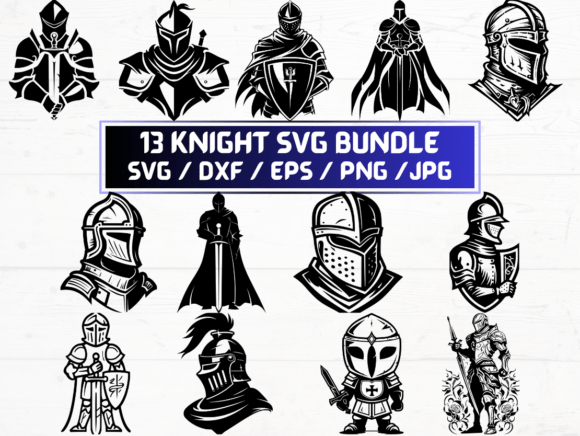
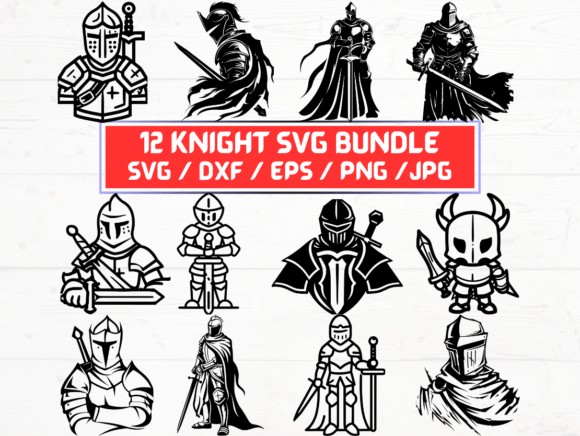
This listing includes 5 files in a ZIP folder, offering a comprehensive set of options for your creative projects. Upon purchase, you'll receive an instant download containing 12 SVG files, 12 PNG files (300 dpi with transparent background), 12 DXF files, 12 JPG files, and 12 EPS files. All of these files are ready to use and can be imported into your preferred design software or editing tool.
Whether you're a beginner or an experienced designer, having access to multiple file formats gives you more flexibility and control over your projects. You can choose the format that best suits your needs and ensure that your designs look professional and high-quality in any application.
Conclusion
Understanding the different file formats—SVG, DXF, EPS, JPG, and PNG—is essential for anyone involved in digital design, whether for personal use or professional work. Each format has its own advantages and uses, and knowing which one to choose can make a big difference in the outcome of your projects.
By investing in this digital product, you're gaining access to a versatile set of files that can be used in a wide range of applications. From web design to print media, these files offer the flexibility and quality needed to bring your ideas to life. So why wait? Start exploring the possibilities today and take your creative projects to the next level!