Bear Laser Cut Digital Files: A Complete Guide for Designers and Crafters
Whether you're a seasoned designer or just getting started with laser cutting, having access to high-quality digital files is essential. The Bear Laser Cut product offers a comprehensive set of downloadable files that cater to a wide range of creative needs. This article explores what makes these files valuable, how they can be used, and why they are a must-have for anyone working with laser cutters.
What You Get in the Bear Laser Cut Package
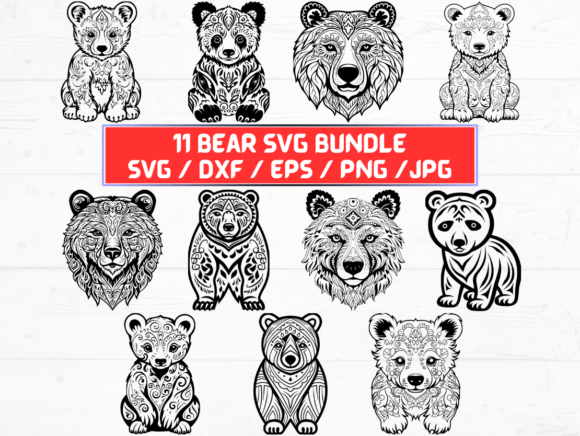
The Bear Laser Cut package includes a ZIP folder containing five different file types, each tailored for specific uses. These include:
- SVG Files – Ideal for vector-based design software like Adobe Illustrator or Inkscape.
- PNG Files – Perfect for use in raster graphics programs or when transparency is required.
- DXF Files – Designed for compatibility with CAD software and laser cutting machines.
- JPG Files – Useful for quick previews or sharing designs online.
- EPS Files – Best suited for high-resolution printing and professional graphic design work.
All files are provided at 300 dpi with transparent backgrounds, ensuring crisp and clear results when printed or cut. With 11 versions of each file type, users have the flexibility to choose the format that best fits their project requirements.
Why Choose Bear Laser Cut Files?
The Bear Laser Cut product stands out due to its versatility and precision. Each file is crafted with attention to detail, making it easy to integrate into various projects. Whether you're creating signage, custom decorations, or intricate models, these files provide a solid foundation.
One of the biggest advantages of using Bear Laser Cut files is the instant download feature. There's no waiting for shipping or dealing with physical packaging. Once purchased, you can immediately start working on your project, saving both time and effort.
How to Use Bear Laser Cut Files in Your Workflow
Incorporating Bear Laser Cut files into your workflow is straightforward. Here's a step-by-step guide to help you get started:
- Download the ZIP Folder – After purchasing, you'll receive a link to download the Bear Laser Cut files.
- Extract the Files – Use a file extraction tool to open the ZIP folder and access the individual file types.
- Select the Appropriate File Type – Choose between SVG, PNG, DXF, JPG, or EPS based on your design software and laser cutter specifications.
- Edit and Customize – If needed, use design software to make adjustments to the files before proceeding to the next step.
- Send to Laser Cutter – Import the final design into your laser cutting software and prepare the machine for cutting.
- Complete the Project – Once the laser cutting is done, assemble or finish the project as desired.
This process ensures a smooth transition from design to finished product, minimizing errors and maximizing efficiency.
Applications of Bear Laser Cut Files
Bear Laser Cut files are suitable for a variety of applications across different industries. Here are some common uses:
- Home Decor – Create personalized wall art, ornaments, and decorative elements for your home or office.
- Business Signage – Design eye-catching signs, logos, and branding materials for your business.
- Event Planning – Produce custom invitations, table numbers, and décor items for weddings, parties, or corporate events.
- Education – Use the files in classrooms for teaching design, engineering, or art concepts.
- Product Manufacturing – Incorporate the files into larger production runs for custom products or prototypes.
The versatility of Bear Laser Cut files allows them to be adapted for both small-scale and large-scale projects. Their high resolution and transparent background ensure that the final output looks professional and polished.
Considerations Before Purchasing Bear Laser Cut Files
While Bear Laser Cut files offer numerous benefits, there are a few factors to consider before making a purchase:
- Software Compatibility – Ensure that your design software supports the file formats included in the package.
- Laser Cutter Specifications – Check if your laser cutter is compatible with the DXF or SVG file types provided.
- Project Requirements – Determine whether you need additional customization beyond what is offered in the standard files.
- Storage Space – Keep in mind that the ZIP folder contains multiple file types, which may require more storage space than a single file format.
Taking these considerations into account will help you make an informed decision and ensure that the Bear Laser Cut files meet your specific needs.
Maximizing the Value of Bear Laser Cut Files
To get the most out of Bear Laser Cut files, it's important to understand how to leverage their features effectively. Here are a few tips to maximize their value:
- Experiment with Different Designs – Use the files as a starting point and experiment with colors, shapes, and layouts to create unique designs.
- Combine with Other Assets – Integrate Bear Laser Cut files with other digital assets such as photos, illustrations, or text to enhance your projects.
- Share and Collaborate – Share the files with team members or collaborators to streamline the design and production process.
- Stay Updated – Keep an eye out for updates or new releases related to Bear Laser Cut files to take advantage of any improvements or additions.
By following these tips, you can unlock the full potential of Bear Laser Cut files and create stunning projects that stand out.